
Site Report: Wanganella, Australia
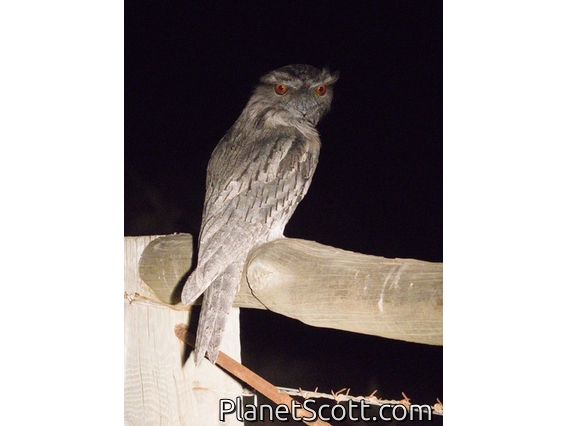
Tawny Frogmouth (Podargus strigoides)
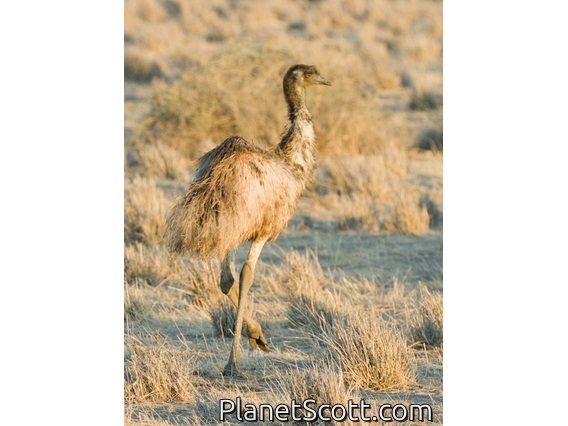
Emu (Dromaius novaehollandiae)
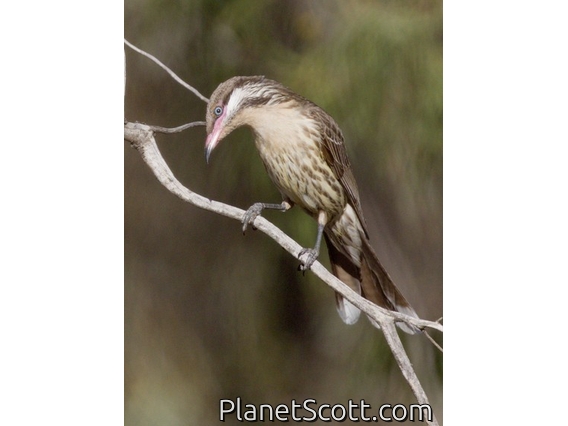
Spiny-cheeked Honeyeater (Acanthagenys rufogularis)
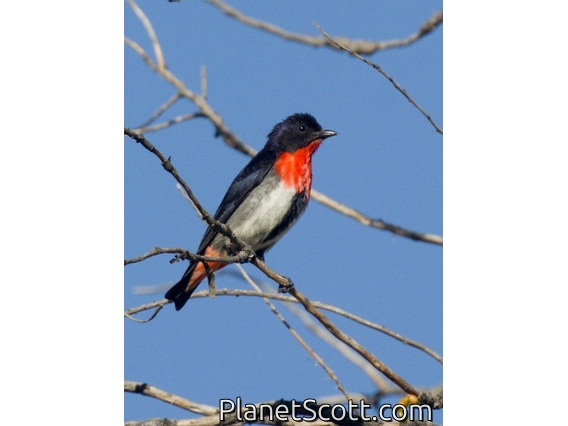
Mistletoebird (Dicaeum hirundinaceum)
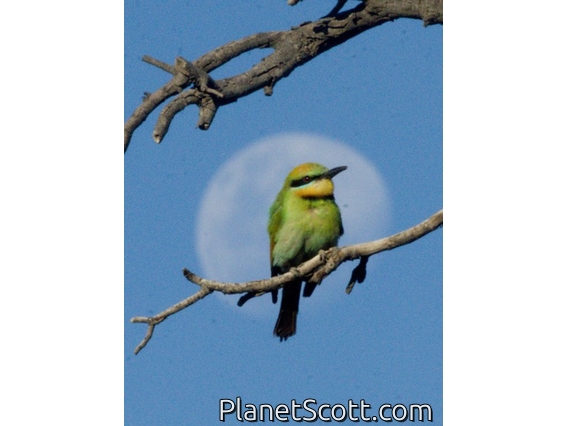
Rainbow Bee-eater (Merops ornatus)
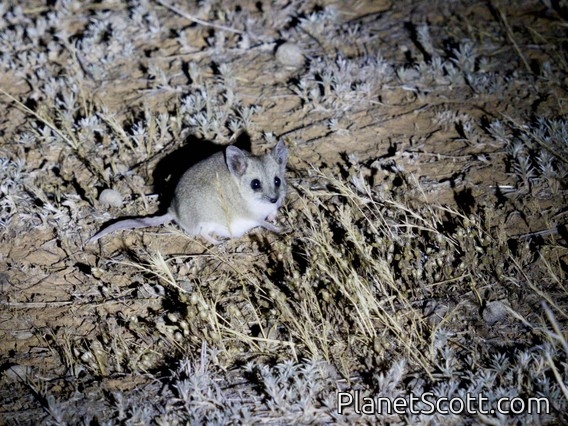
Fat-tailed Dunnart (Sminthopsis crassicaudata)
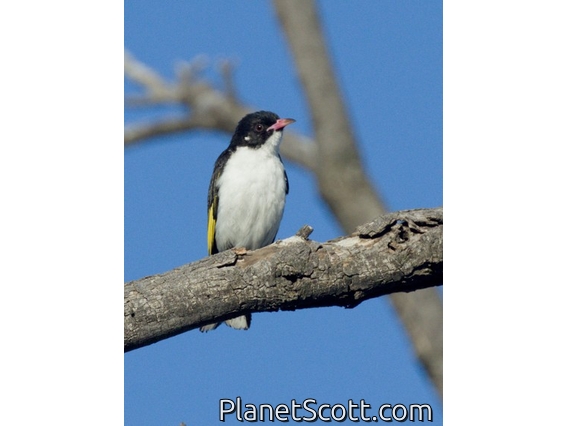
Painted Honeyeater (Grantiella picta)
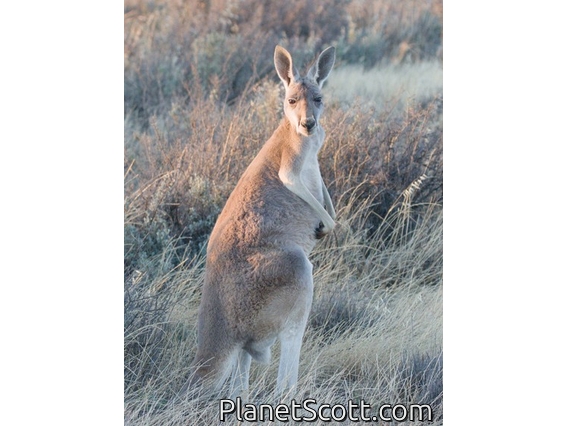
Red Kangaroo (Osphranter rufus)
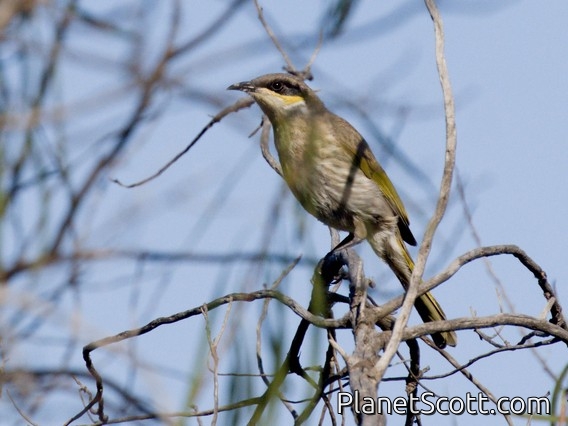
Singing Honeyeater (Gavicalis virescens)
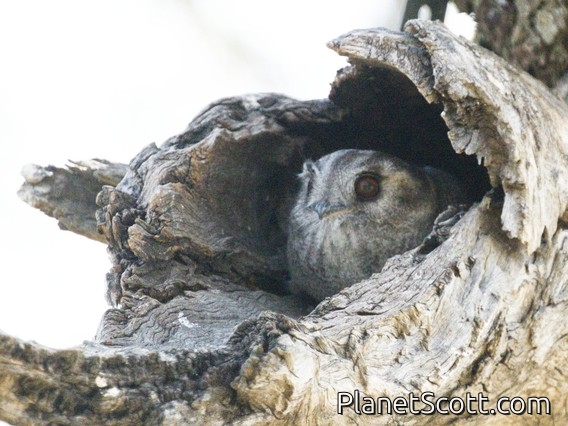
Australian Owlet-nightjar (Aegotheles cristatus)
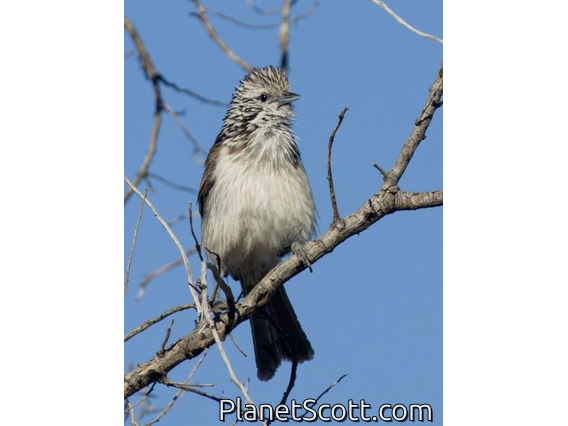
Striped Honeyeater (Plectorhyncha lanceolata)
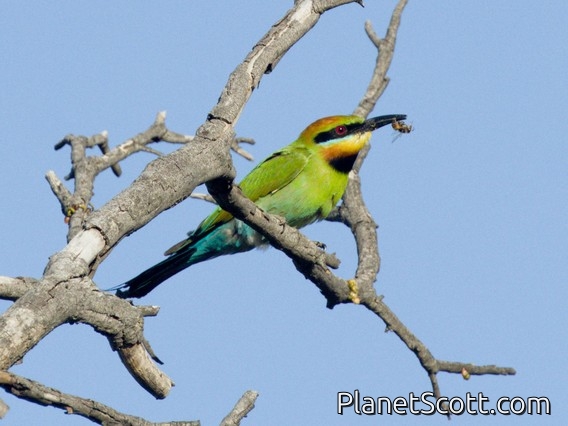
Rainbow Bee-eater (Merops ornatus)
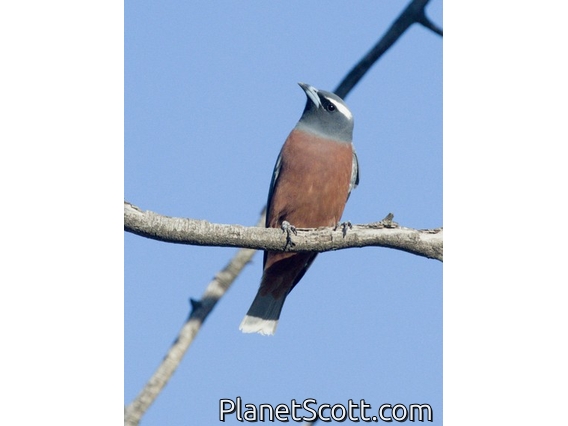
White-browed Woodswallow (Artamus superciliosus) - Male
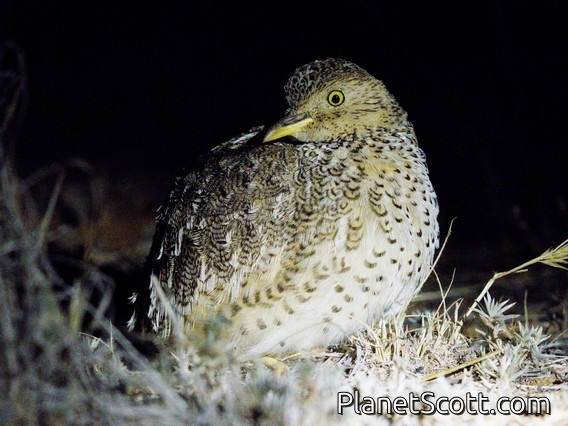
Plains-wanderer (Pedionomus torquatus)

White-browed Woodswallow (Artamus superciliosus) - Female
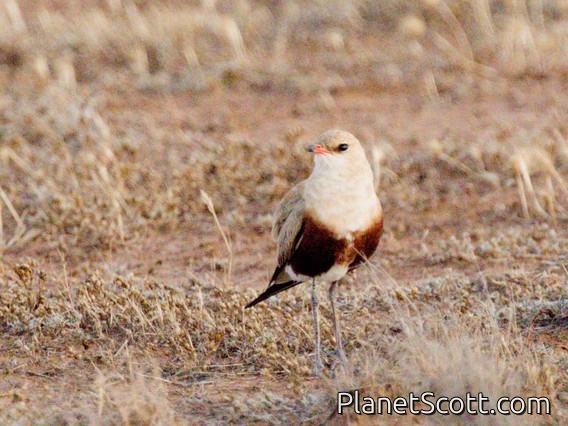
Australian Pratincole (Glareola isabella)
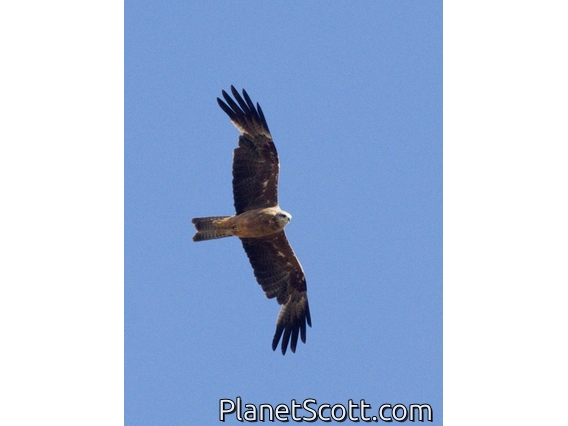
Black Kite (Milvus migrans)
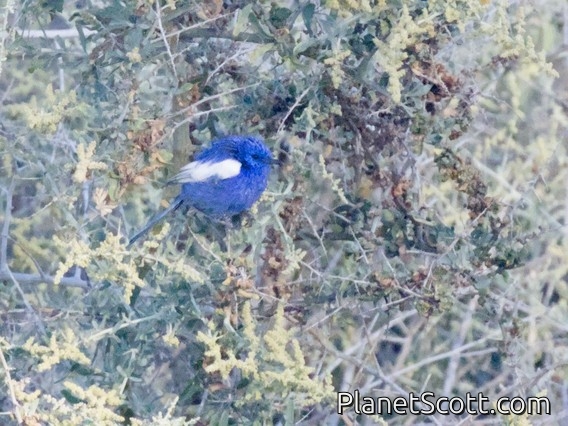
White-winged Fairywren (Malurus leucopterus)
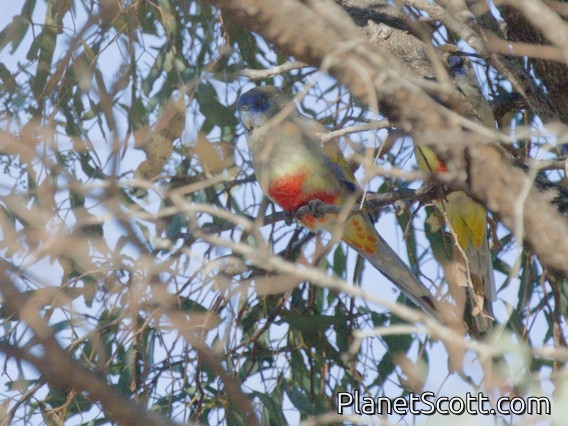
Greater Bluebonnet (Northiella haematogaster)
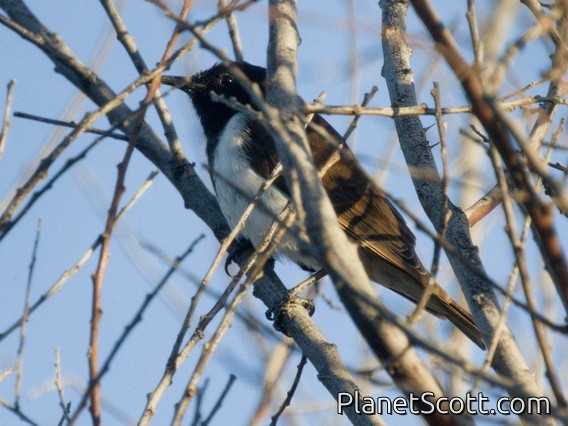
Black Honeyeater (Sugomel nigrum)
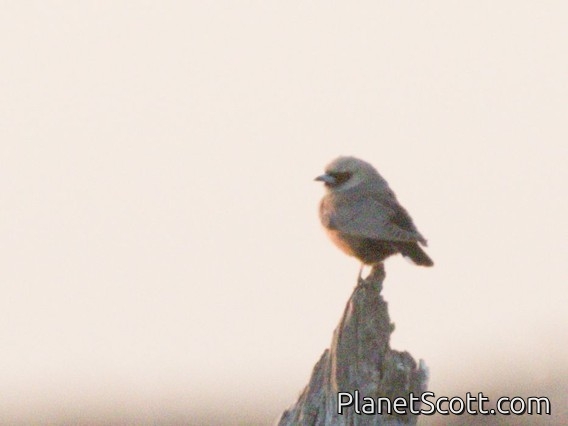
Black-faced Woodswallow (Artamus cinereus)
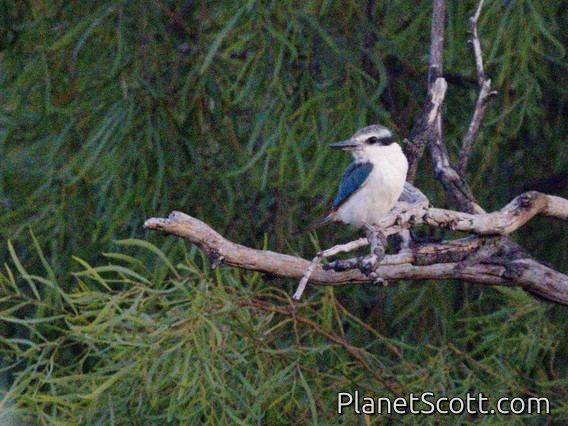
Red-backed Kingfisher (Todiramphus pyrrhopygius)
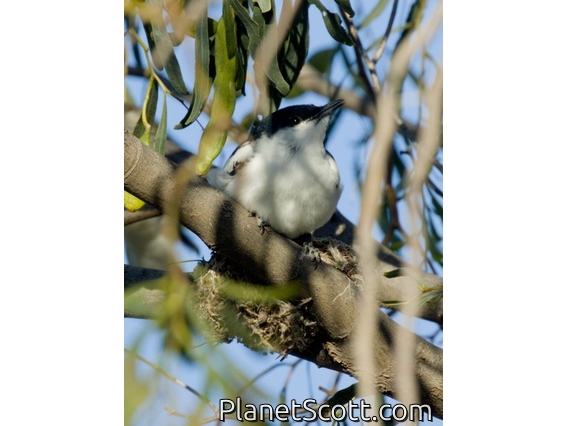
White-winged Triller (Lalage tricolor)


×
Tawny Frogmouth (Podargus strigoides)
Emu (Dromaius novaehollandiae)
Spiny-cheeked Honeyeater (Acanthagenys rufogularis)
Mistletoebird (Dicaeum hirundinaceum)
Rainbow Bee-eater (Merops ornatus)
Fat-tailed Dunnart (Sminthopsis crassicaudata)
Painted Honeyeater (Grantiella picta)
Red Kangaroo (Osphranter rufus)
Singing Honeyeater (Gavicalis virescens)
Australian Owlet-nightjar (Aegotheles cristatus)
Striped Honeyeater (Plectorhyncha lanceolata)
Rainbow Bee-eater (Merops ornatus)
White-browed Woodswallow (Artamus superciliosus) - Male
Plains-wanderer (Pedionomus torquatus)
White-browed Woodswallow (Artamus superciliosus) - Female
Australian Pratincole (Glareola isabella)
Black Kite (Milvus migrans)
White-winged Fairywren (Malurus leucopterus)
Greater Bluebonnet (Northiella haematogaster)
Black Honeyeater (Sugomel nigrum)
Black-faced Woodswallow (Artamus cinereus)
Red-backed Kingfisher (Todiramphus pyrrhopygius)
White-winged Triller (Lalage tricolor)
Outback
Visits
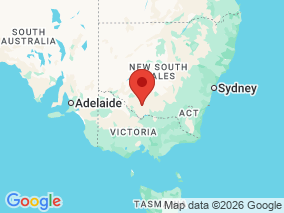
- 2025-12-02: After failing in Tasmania to fly into the Southeast due to weather, I decided to use the money instead to hire Philip, a local guide, to show me some of the more rare birds of the outback on an late afternoon tour. Philip has done some habitat restoration near Deniliquin, and he also has access to some private lands with unique habitats.
We drove for awhile, stopping to photograph wildlife next to the road and to visit some of Philip's restoration areas. At sunset, we stopped in a dusty area to look for nocturnal animals using Philip's thermal scope. There was a good selection of birds and kangaroos despite the dry environment.
After several hours of walking around, we headed back to Deniliquin. The kangaroos that had been running away during the daytime were back for vengence now that it was dark. They eerily lined the road standing bipedally, boxers with giant legs, and some of them would just stare at you. And some of them would jump right in front of the moving car which required extra vigilance and evasive maneuvers. There must have literally been 10,000 kangaroos. All inside a cloud of moths the size of which hasn't been seen in the USA since the 1970s
Species Seen
Kingdom: Animals (49 records,
21 images)
Phylum: Chordates
(49 records,
21 images)
Class: Birds
(41 records,
19 images)
- Order: Doves and Pigeons
(1 record)
- Family: Pigeons and Doves
- Crested Pigeon (Ocyphaps lophotes)
- Order: Hawks, Eagles, Kites, and Allies
(2 records)
- Family: Hawks, Eagles, and Kites
- Black Kite (Milvus migrans)
- Whistling Kite (Haliastur sphenurus)
- Order: Kingfishers, Bee-eaters, Motmots
(3 records)
- Family: Bee-eaters
- Rainbow Bee-eater (Merops ornatus)
- Family: Kingfishers
- Red-backed Kingfisher (Todiramphus pyrrhopygius)
- Sacred Kingfisher (Todiramphus sanctus)
- Order: Ostriches
(1 record)
- Family: Cassowaries and Emu
- Emu (Dromaius novaehollandiae)
- Order: Owlet-nightjar
(1 record)
- Family: Owlet-Nightjars
- Australian Owlet-nightjar (Aegotheles cristatus)
- Order: Owls And Nightjars
(1 record)
- Family: Frogmouths
- Tawny Frogmouth (Podargus strigoides)
- Order: Parrots (4 records)
- Order: Pelicans
(6 records)
- Family: Coursers
- Australian Pratincole (Glareola isabella)
- Family: Falcons and Caracaras
- Brown Falcon (Falco berigora)
- Nankeen Kestrel (Falco cenchroides)
- Family: Herons
- White-faced Heron (Egretta novaehollandiae)
- Family: Ibises and Spoonbills
- Straw-necked Ibis (Threskiornis spinicollis)
- Family: Plains Wanderer
- Plains-wanderer (Pedionomus torquatus)
- Order: Perching Birds (21 records)
- Family: Fairywrens and Allies
- Superb Fairywren (Malurus cyaneus)
- White-winged Fairywren (Malurus leucopterus)
- Family: Fantails
- Willie-wagtail (Rhipidura leucophrys)
- Family: Flowerpeckers
- Mistletoebird (Dicaeum hirundinaceum)
- Family: Honeyeaters
- Black Honeyeater (Sugomel nigrum)
- Painted Honeyeater (Grantiella picta)
- Singing Honeyeater (Gavicalis virescens)
- Spiny-cheeked Honeyeater (Acanthagenys rufogularis)
- Striped Honeyeater (Plectorhyncha lanceolata)
- Family: Jays and Crows
- Australian Magpie (Gymnorhina tibicen)
- Australian Raven (Corvus coronoides)
- Little Raven (Corvus mellori)
- Magpie-lark (Grallina cyanoleuca)
- Family: Swallows
- Welcome Swallow (Hirundo neoxena)
- Family: Thornbills and Allies
- Yellow-rumped Thornbill (Acanthiza chrysorrhoa)
- Family: Wagtails and Pipits
- Australian Pipit (Anthus australis)
- Family: White-winged Chough and Apostlebird
- White-winged Chough (Corcorax melanorhamphos)
- Family: Woodswallows, Bellmagpies and Allies
- Black-faced Woodswallow (Artamus cinereus)
- White-browed Woodswallow (Artamus superciliosus)
- Order: Waterfowl
(1 record)
- Family: Swans, Geese, and Ducks
- Pacific Black Duck (Anas superciliosa)
Class: Mammals
(8 records,
2 images)
- Order: Carnivorans
(1 record)
- Family: Canidae
- Red Fox (Vulpes vulpes)
- Order: Carnivorous Marsupials
(1 record)
- Family: Dasyuridae
- Fat-tailed Dunnart (Sminthopsis crassicaudata)
- Order: Kangaroos, Wallabies, Possums, Koala, Wombats, and Allies (4 records)
- Order: Rabbits and Hares (2 records)